


Introduction
Word game fans have rapidly fallen in love with the New York Times Connections puzzle. Connections is different from regular crosswords or Wordle-style guessing games because it asks players to group words based on hidden connections. For a lot of players, nyt connectivity cues are important tools that help them think more clearly and less angrily. You can completely modify the way you solve the challenge by learning how these clues function and how to apply them well.
This article goes into great length about nyt connections hints, detailing what they are, the many types, the best ways to use them, and the most typical mistakes people make. This tutorial will help you get better at being consistent, accurate, and having fun, no matter how long you’ve been playing.
What is the NYT Connections Game
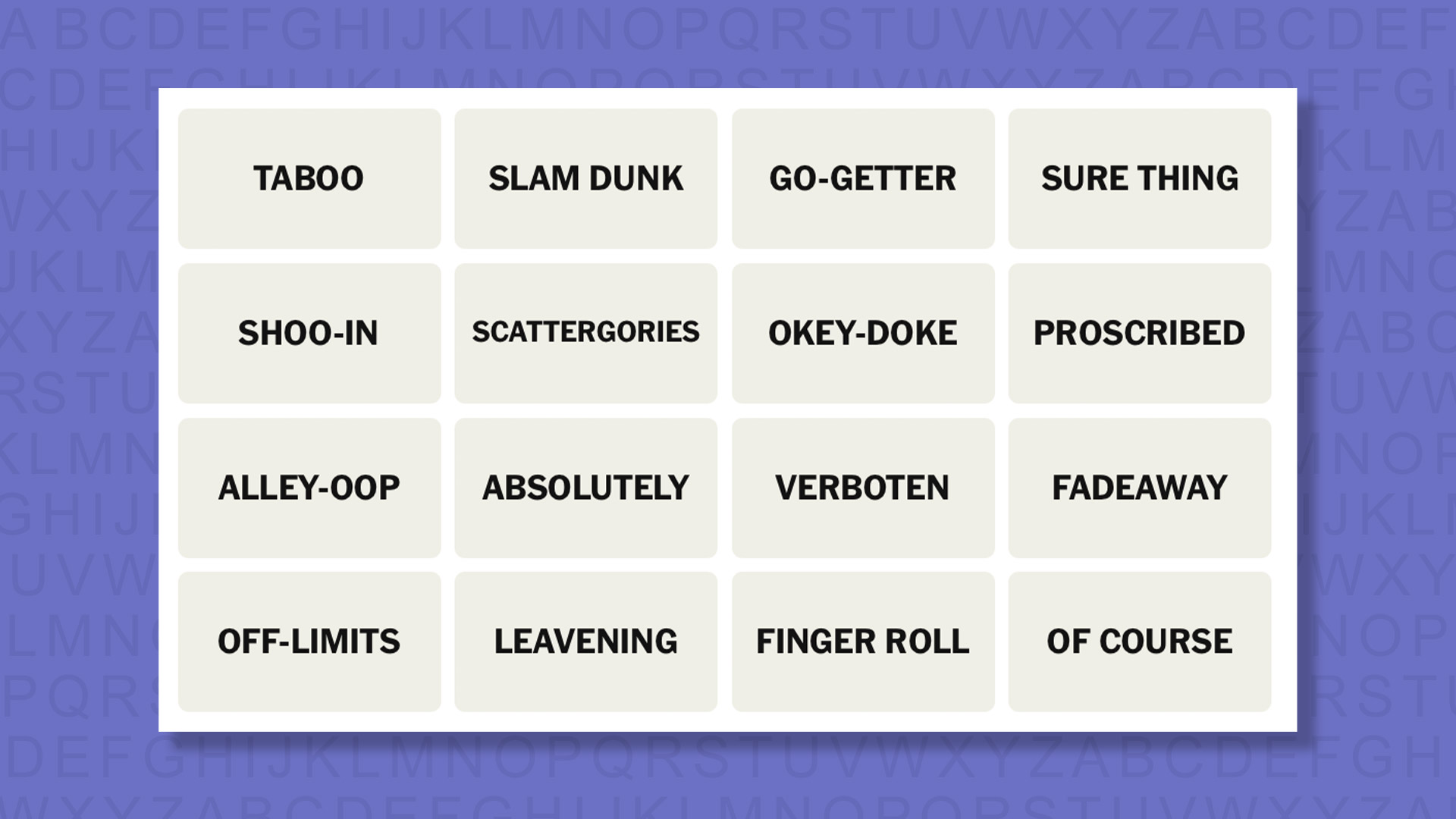
The NYT Connections puzzle gives players a grid of 16 words. The idea is to put these words into four groups of four, with each group having a theme or relationship that is the same. These themes aren’t always clear, which is why a lot of players use nyt connections tips to help them think.
The challenge tests your vocabulary, your ability to think outside the box, your knowledge of other cultures, and your ability to see patterns. Some links are clear, but others are meant to be confusing. Even good players can have trouble without help.
Why NYT Connections Hints Are Important
A lot of gamers think that clues make the game easier, however that’s not true. Hints for NYT connections don’t give clear solutions. Instead, they give hints that make you think logically. These hints assist players not guess randomly and get better at thinking things through.
Hints are quite helpful when words can belong to more than one group or when a theme is hard to understand. Players can learn how the puzzle makers think by using tips correctly, which makes it easier to solve subsequent riddles.
Hints for NYT Connections by Category
These indications give you an idea of the group’s main idea, like “types of tools” or “words related to sound.” One of the most prevalent types of nyt connecting hints is a category suggestion. This is because it narrows the scope without giving away specific word groupings.
Color Hints Based on Difficulty
There is a color for each group in the puzzle that shows how hard it is, from easy to toughest. Knowing which category is probably easier helps players decide which words to group first. This is a key part of how to use nyt connections hints well.
Hints for Recognizing Patterns
Some clues tell players to look for patterns like prefixes, suffixes, homophones, or words with the same meaning. These recommendations for nyt connections are not very obvious, but they are quite useful when applied appropriately.
How to Make the Most of NYT Connections Hints
It’s a skill to know how to use clues correctly. If you use them too much, you might have trouble solving problems, and if you ignore them, you might get angry. The best way to go about it is to find a balance.
Look at all 16 words and see if you can find any clear links between them. You should only use nyt connections hints once you’ve used up all of your original observations. This makes sure that hints help you learn instead of taking the place of thinking.

Hints for NYT Connections: A Step-by-Step Plan
Step 1: Find the obvious groups
Put words that plainly belong together in groups before you use tips. A lot of the time, one group is a lot easier than the others.
Step Two: Use hints on words that are hard to understand
When you see clear groupings, use the nyt connections clues to help you understand phrases that potentially belong to more than one group.
Step Three: Get Rid of Wrong Connections
Hints can help get rid of wrong connections. Some words are put there on purpose to keep players from focusing.
Step 4: Check the Hardest Group Last
The last group is usually the hardest. At this point, the nyt connections suggestions should assist you figure out why those words go together.
Things People Often Do Wrong When Using NYT Connections Hints
A lot of gamers use hints incorrectly, which causes them to make mistakes that aren’t essential.
One common mistake is thinking that indications point to literal meanings. In fact, clues for nyt linkages generally depend on figurative or contextual ties. Another mistake is to focus too much on one hint and not on the whole puzzle. Hints are not instructions for successful players.
One Table: NYT Connections Types of Hints
| Hint Type | Description | Best Use Case |
|---|---|---|
| Category Hint | Suggests the general theme | Early grouping |
| Color Difficulty | Indicates complexity level | Order of solving |
| Wordplay Hint | Focuses on language patterns | Abstract groups |
| Context Hint | Cultural or usage-based | Tricky words |
This table shows how distinct nyt connectivity clues help with different parts of the solving process.
A Five-Point Long Paragraph on How to Use NYT Connections Hints
To use nyt connections hints effectively, you need to be patient and have a plan. The first important point is to always try the puzzle on your own before looking at hints so that your reasoning skills improve naturally. The second important point is to see hints as directional guidance instead of final answers because they are meant to spark ideas instead of confirming solutions. The third important point is to focus on getting rid of wrong groupings instead of forcing correct ones, since hints often show what does not belong together. The fourth important point is to notice repeated hint patterns over time, which makes it easier for players to guess future puzzle logic. The fifth and final point is to know that using nyt connections hints consistently helps train the brain to think more flexibly, which improves long-term performance without lowering enjoyment.
How NYT Connections Hints Help You Think Better
Using nyt connections cues often makes your mind more flexible. Players learn to quickly change their point of view, think about different interpretations of a word, and find connections that aren’t obvious.
These skills go beyond puzzles and help you solve problems in real life, making the game fun and good for your brain.
Hints for Newbies on NYT Connections
Hints for nyt connections are like training wheels for new players. New players often have trouble grasping abstract categories, but suggestions help them see patterns they might not have noticed otherwise.
Beginners should try to understand why a hint works instead of just following it. This method boosts confidence and makes you less dependent over time.
Using strategic hints and advanced players
Advanced players don’t use nyt connecting cues too often. They use hints to validate suspicions or rule out wrong assumptions instead of waiting until they are stuck.
This deliberate application sharpens your intuition and cuts down on blunders that come from overthinking.
Why the NYT Connections Hints Are Set Up This Way
The people that make nyt connections hints on purpose make them to help people learn instead than giving them easy answers. Hints are not obvious, but they make you think and keep the puzzle hard.
This design strategy keeps gamers interested and helps them get better over time.
Daily Practice and Recognizing Patterns
Players can learn to spot patterns like word categories, cultural references, and language trickery by seeing nyt connections cues every day. As time goes on, players start to see connections before they even require clues.
To get good at the puzzle, you need to be consistent.
Conclusion
The NYT Connections problem is not just a word game; it’s also a test of logic, creativity, and the capacity to adapt. Hints for NYT links are quite important for helping players without ruining the game. Players can greatly increase their skills while still having fun and being challenged by the game by learning how hints operate, using them wisely, and learning from each puzzle.
Read More :- Sports Connections: Meaning, Impact, Benefits, and Future of Athletic Networks