


Introduction
There is more to sports than just winning, getting trophies, and breaking records. At its foundation, sports is all about the connections between athletes, teams, coaches, fans, organizations, and communities. These links, called sports connections, define careers, affect performance, provide opportunities, and construct sports cultures around the world. Sports connections are the invisible energy that keeps the sporting world alive and changing, from local leagues to professional championships.
In today’s world, sports relationships go well beyond the field. They include things like sponsorships, mentorships, fan participation, media impact, technology partnerships, and working together with people from other countries. Sports connections typically affect long-term success and impact, whether an athlete climbs through youth academies or moves into leadership roles after retirement.
What Are Sports Links
Sports connections are the web of contacts and interactions that make up the sports world. These connections might be professional, personal, commercial, or cultural, and they can bring people and businesses together via similar aims, experiences, and beliefs.
At its most fundamental level, there are sports ties between players and coaches. At a higher level, they include agents, sponsors, sports scientists, broadcasters, regulating organizations, and audiences from around the world. Every relationship has an effect on how sports work, grow, and inspire.
Sports relationships aren’t just for top athletes, which is a good thing. Amateur athletes, school teams, fans, volunteers, and local groups all help make sports ties that keep sports going at all levels.
How Sports Connections Help Athletes Grow
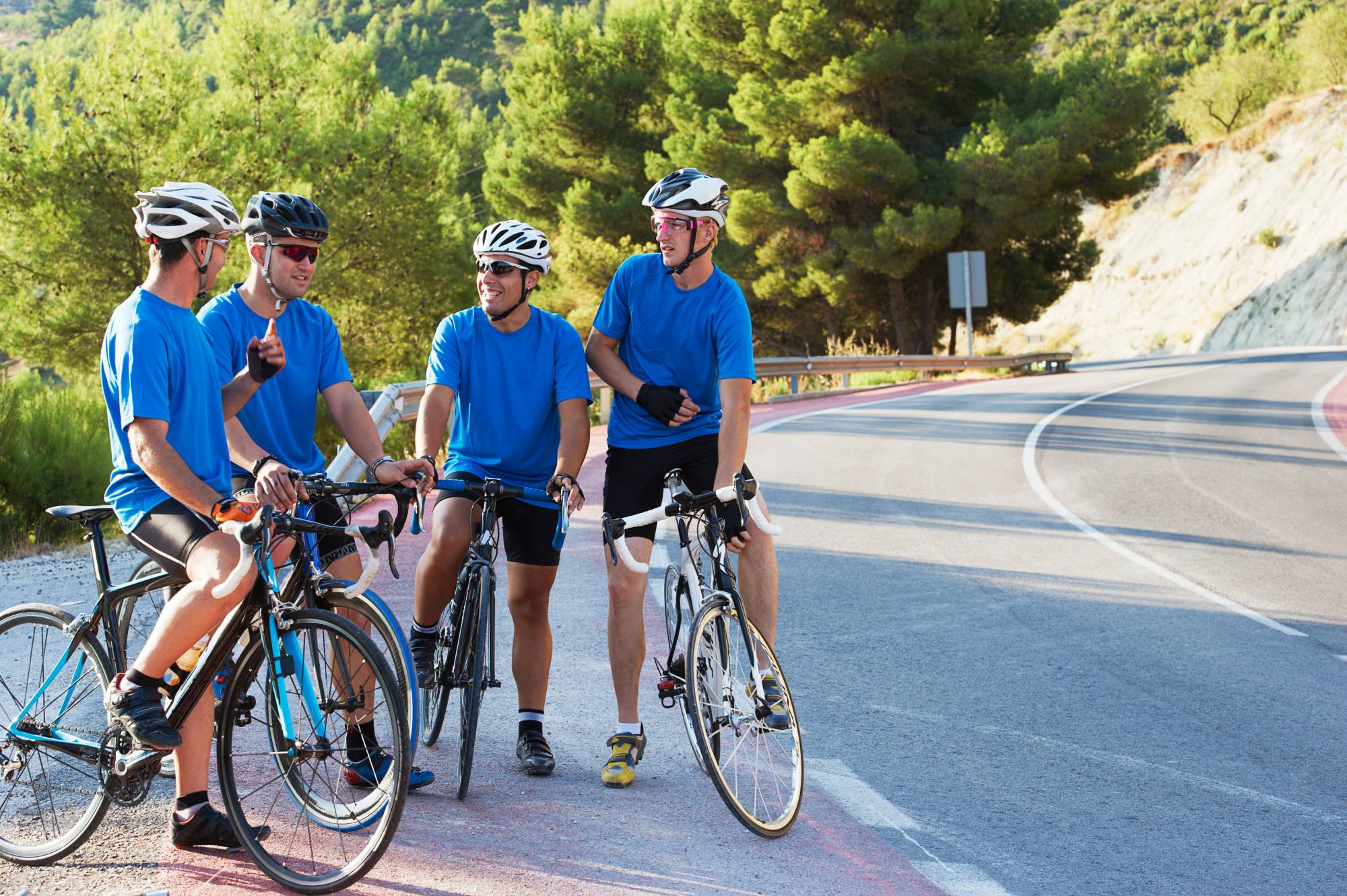
Most of the time, athletes don’t develop on their own. Sports connections help athletes throughout their careers by giving them advice, exposure, and support. Coaches find talented players, mentors give advise, and peers push and compete with one other.
Young athletes gain a lot from sports contacts that help them find training, scholarships, and contests. These connections often let you in on things that your raw talent can’t. Many successful sportsmen say that their climb to the top is due to the strong sports relationships they had as kids.
As athletes get older, sports ties help them deal with more competition, handle stress, and make smart choices about their careers. Even good players may have a hard time staying successful for a long time without these networks.
Links Between Teams and Organizations in Sports
Teams don’t work alone. Sports ties between clubs, leagues, and regulatory bodies affect schedules, rules, talent exchanges, and the growth of sports around the world. Team and academy partnerships create channels for developing talent, while working with sponsors helps keep the finances stable.
These sports connections also affect how people share what they know. Teams share what works best for them in training, preventing injuries, using data, and getting fans involved. These common relationships make sports more competitive and professional over time.
The Effect of Sports Connections on People and Communities
supporters are what make sports exciting, and sports connections let supporters feel close to teams, players, and traditions. Fans make lasting connections with clubs via shared memories, rivalries, and celebrations.
Sports relationships in the community help people get along, stay healthy, and get young people involved. Local clubs are places where individuals of many ages, cultures, and backgrounds may meet and get to know each other. These links make people feel more connected to their community and proud of it, which makes sports a powerful social force.
Sports Connections in the Sports Business
The sports sector is worth billions of dollars and is made up of brands, athletes, media, and fans who are all connected through sports. Trust and long-term connections are very important for sponsorships, endorsements, media partnerships, and merchandising.
Athletes that are well-connected in the sports world frequently have higher chances of getting sponsorships. Brands want real partnerships with athletes that share their values and audience. Media firms often rely on sports links to get unique material and keep people coming back.
The growth of sports connections and technology
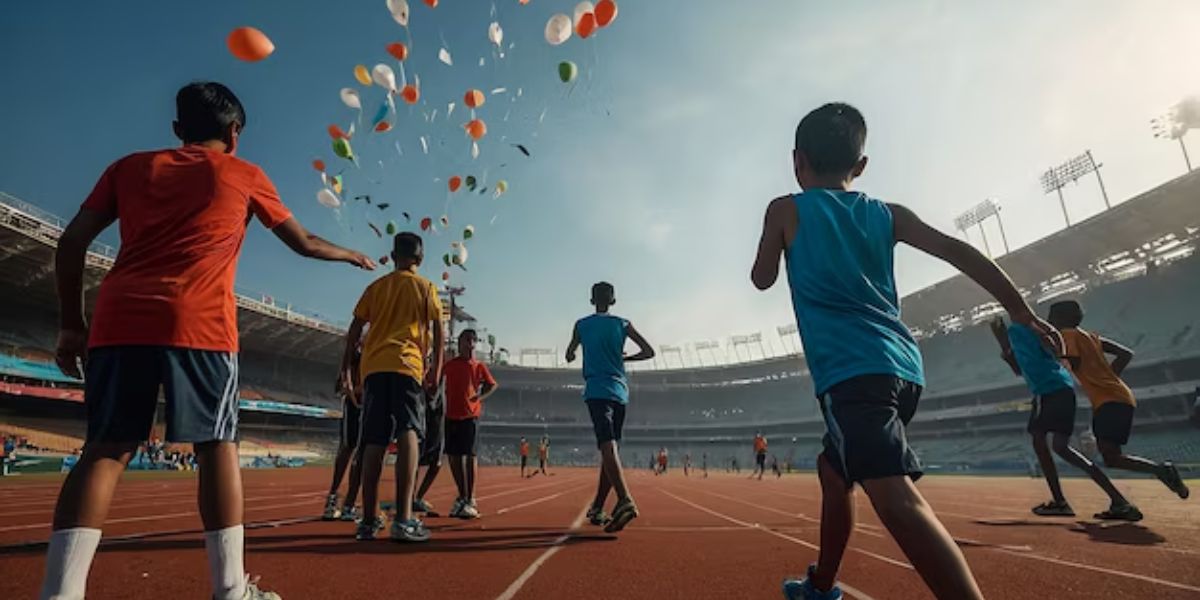
Technology has changed the way people connect with and stay connected to sports. Athletes may talk to fans directly on social media, without having to go through traditional gatekeepers. Digital training tools let instructors and players talk to each other across continents.
Scientists, analysts, and athletes have new ways to connect through data analytics, wearable technology, and virtual events. These new ideas make sports more participatory and accessible than ever by improving performance, lowering injuries, and making spectator experiences more personal.
Table: Different kinds of sports connections and how they affect things
| Type of Sports Connection | Key Participants | Primary Impact |
|---|---|---|
| Athlete–Coach | Players, coaches | Skill development and performance growth |
| Team–Organization | Clubs, leagues | Governance and competition structure |
| Athlete–Brand | Athletes, sponsors | Financial growth and brand visibility |
| Fan–Team | Supporters, clubs | Loyalty and emotional engagement |
| Community–Sports | Local clubs, schools | Social development and inclusion |
Sports Connections and Job Opportunities Outside of Playing
Not all athletes stay on the field forever. Connections made through sports are very important for careers after participating. Former athletes often use the connections they made while playing to become coaches, commentators, managers, or business owners.
Having strong ties to sports can help you get an education, find a mentor, and get a career. They assist players change who they are while still being involved in the sport they love. It can be hard and lonely to leave competitive athletics without these networks.
The Mental Benefits of Sports Connections
Sports relationships provide emotional and psychological support in addition to physical rewards. Athletes have a lot of stress, injuries, and others watching them. Having trusted relationships helps people deal with stress and be mentally healthy.
Having friends on the team, fans who support you, and a mentor who guides you all make you feel like you belong. These ties in sports help players remember that they are part of something bigger than themselves, which helps them stay motivated and strong when things go tough.
How important sports connections
Sports connections are important because they help athletes and coaches trust each other, give them chances to find new talent and grow their careers, make teams stronger by sharing values and talking to each other, connect fans emotionally to sports culture and tradition, and help sports communities grow over time by encouraging participation, inclusivity, and collaboration at all levels of the sporting ecosystem.
Sports Connections on the Ground Level
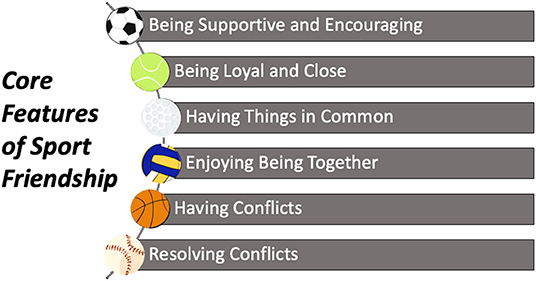
Sports connections start with grassroots sports. Schools, organizations, and community initiatives teach kids how to work together, be disciplined, and play fair. These early relationships affect how people feel about sports and growing as a person.
People who are involved in grassroots sports links include parents, teachers, volunteers, and local sponsors. They work together to establish safe and supportive places where young athletes can flourish both physically and mentally.
International Impact and Global Sports Connections
In today’s world, when everything is connected, sports links go across borders. International competitions, global leagues, and partnerships across countries bring people together through their love of sports.
Athletes compete throughout the world, fans follow teams around the world, and businesses work together across borders. These linkages between sports around the world help people learn about each other’s cultures, do business with each other, and understand each other better. Sports are a powerful global language.
Problems with making and keeping sports connections
Even if they are important, sports links have problems. Competition, pressure from businesses, and not everyone having the same access may all make relationships harder. Trust can be broken by miscommunication or a lack of openness.
To keep sports ties healthy, you need to be a good leader, show respect, and be responsible. Sports ecosystems stay strong and inspiring when people are honest and fair in their connections.
The Future of Sports Links
Innovation, openness, and digital transformation will all play a role in shaping the future of sports relationships. People will interact with sports in new ways thanks to virtual communities, worldwide fan networks, and data-driven collaboration.
As sports change over time, the human connection will always be important. Technology may change how people interact, but trust, passion, and shared experiences will always be what makes sports connections special.
Conclusion: The Real Importance of Sports Connections
Sports ties have always been the key to athletic achievement, community strength, and global influence. They bring people together, encourage teamwork, and make competition a part of culture. Sports connections impact who we are, what we do, and what we remember, from local playgrounds to worldwide stadiums. By understanding and cultivating these relationships, we can make sure that sports stay more than just games; they can be tremendous tools for bringing people together, helping them grow, and inspiring them for years to come.
Read More :- Connections Hint Today Mashable – Daily Puzzle Guide, Tips, and Strategy