

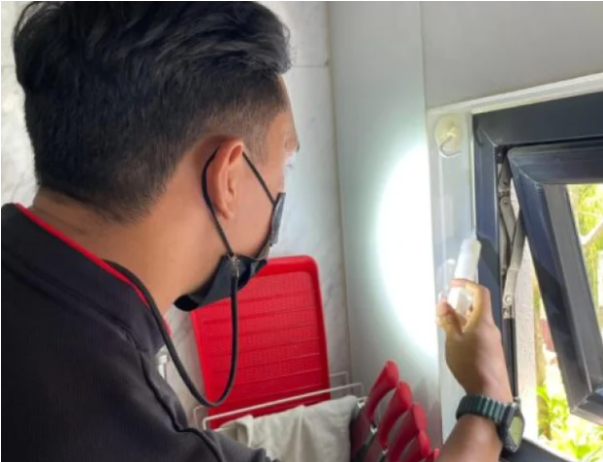

Living in Singapore’s bustling urban environment means contending with persistent pests such as cockroaches, rodents, and termites, which flourish in our humid climate. These pests do more than cause inconvenience—they pose risks to your health, inflict property damage, and diminish your home’s value. Professional pest control services from experts like Aardwolf Pestkare make all the difference, offering eco-friendly termite treatments, regular inspections, and proven strategies to prevent infestations permanently.
Key Takeaways:
- Urban Singapore faces rampant pests like termites and cockroaches; professional control prevents health risks and infestations.
- Termites cause severe property damage expert services like Aardwolf Pestkare’s solutions protect structures effectively.
- Regular inspections ensure eco-friendly, compliant pest management, preserving property value and peace of mind.
Common Pests in Singapore
Singapore’s tropical climate fosters common pests like cockroaches Singapore residents dread, including the American cockroach (Periplaneta americana) and German cockroach (Blattella germanica), alongside termite infestation from subterranean termites and drywood termites.
These household pests thrive in the urban environment, hiding in drains, kitchens, and wall voids. Cockroaches spread bacteria that cause food contamination and food poisoning, while termites cause structural damage by silently eating wood in homes and buildings.
Mosquitoes, especially the Aedes mosquito, breed in stagnant water around residential gardens and green spaces. They transmit serious vector-borne diseases like dengue fever and Zika virus, posing major health risks in this clean green city.
- Rodents such as rats and mice invade homes, chewing wires and spreading leptospirosis through droppings.
- Ants infestation from species like Pharaoh ant and Ghost ant disrupts kitchens and gardens, contaminating food sources.
- Bed bugs hide in mattresses, causing itchy bites that affect sleep in dense urban living.
Regular pest inspections and professional pest control help manage these common pests in Singapore, preventing outbreaks in the urban ecosystem.
The Importance of Professional Pest Management
When facing pest infestations in Singapore, professional pest control from experts like Aardwolf Pestkare ensures effective pest management through integrated pest management (IPM) techniques.
DIY methods often fail against household pests like cockroaches and ants in the tropical climate. Professionals use IPM techniques that combine monitoring, biological controls, and targeted treatments for lasting results.
In urban living, pests such as mosquitoes and rodents spread quickly in high-density areas. Hiring pros provides pest prevention with regular inspections, reducing health risks from dengue fever and leptospirosis.
Integrated pest management prioritizes habitat modification and cultural practices over sole reliance on synthetic pesticides. This approach creates a pest-free environment while protecting public health in Singapore’s urban ecosystem.
Keep Your Health Safe
Pests pose serious health risks in Singapore, from dengue fever and Zika virus spread by Aedes mosquitoes to leptospirosis and food contamination causing Salmonella or E. coli infections. These threats thrive in the tropical climate and urban environment. Regular pest control helps prevent disease transmission.
Mosquitoes like the Aedes species carry vector-borne diseases such as Zika and dengue fever. Standing water in residential gardens or drains becomes breeding grounds. Mosquito control through professional pest control reduces these hygiene risks.
Cockroaches in Singapore, including the American cockroach and German cockroach, contaminate food surfaces. They spread bacteria leading to food poisoning. Proper sanitation and integrated pest management keep infestations at bay.
Rodents and rats transmit leptospirosis through urine in flooded areas. Hantavirus risks arise from rodent droppings in urban settings. Rodent control and regular inspections maintain a pest-free environment.
Avoid Property Damage
Unchecked pests like termites and rodents cause extensive property damage, with subterranean termites, drywood termites, and dampwood termites eating through wood, while Norway rat (Rattus norvegicus) and roof rat (Rattus rattus) gnaw on structures. In Singapore’s urban environment, high-rise buildings and dense housing make these issues worse. Structural damage from pest infestations can weaken foundations and walls over time.
Rodents chew through electrical wiring, creating fire hazards in apartments and condos. Termites target wooden beams and furniture, leading to costly repairs. Regular pest prevention helps protect your home from these threats.
In the tropical climate of Singapore, moisture and warmth speed up termite activity and rodent breeding. Household pests like rats exploit cluttered spaces in HDB flats. Professional pest control ensures long-term protection against such damage.
Early detection through regular inspections prevents small problems from becoming major property damage issues. Combine this with good hygiene to maintain a pest-free environment. Urban living demands proactive pest management to safeguard investments.
Termite Control Solutions
Aardwolf Pestkare provides expert termite control solutions to tackle termite infestation from subterranean termites and drywood termites effectively. Their targeted treatments focus on the colony source, avoiding widespread chemical use. This approach minimizes structural damage in Singapore homes.
Professionals use integrated pest management (IPM) techniques, including bait systems that termites carry back to their nests. These methods suit the urban environment where space is limited. Dampwood termites, thriving in moist wood, get addressed through moisture control advice.
Aardwolf Pestkare conducts thorough inspections to identify entry points in wooden structures. They apply barriers and treatments to prevent re-infestation. This keeps your property safe from ongoing termite infestation.
Combining chemical and non-chemical options, their services promote sustainable pest prevention. Homeowners benefit from tailored plans for HDB units or landed properties. Effective control restores peace of mind in daily urban living.
Relax in Confidence
With reliable professional pest control, you can relax in a pest-free environment, free from household pests like bed bugs (Cimex lectularius and Cimex hemipterus).
In Singapore’s urban living scene, bed bugs hide in mattresses and furniture, causing itchy bites and sleep disruptions. Regular pest prevention ensures these intruders stay away. You gain peace of mind knowing your home remains safe.
Pest infestations from cockroaches or ants can ruin daily comfort in tight urban spaces. Professional services use integrated pest management to target common pests Singapore faces. This approach keeps your living area clean and worry-free.
Imagine returning home after work to no signs of rodents or mosquitoes. Regular inspections spot issues early, preventing health risks like disease transmission. Enjoy true relaxation in your tropical climate haven.
Preserves the Value of Your Property
Effective pest management and regular inspections preserve your property’s value by preventing pest infestations and property damage in Singapore’s urban living.
In Singapore’s tropical climate, pests like subterranean termites and cockroaches thrive in high humidity and lush greenery. These household pests cause structural damage to wooden frames, walls, and foundations if left unchecked. Property owners risk costly repairs from unchecked termite infestations.
Professional pest control targets common pests in Singapore, such as rats, ants, and mosquitoes. Regular treatments stop pest infestations from spreading, maintaining a pest-free environment. This approach protects investments in high-rise apartments and landed homes alike.
Neglecting pest prevention leads to visible signs of damage that lower resale value. Sellers must disclose past issues, deterring buyers in Singapore’s competitive market. Proactive integrated pest management ensures long-term property worth and peace of mind.
Prevent Future Problems
Proactive pest prevention using IPM techniques like habitat modification and cultural practices stops future pest problems before they start. In Singapore’s tropical climate, where mosquitoes and cockroaches thrive, these methods focus on long-term control rather than quick fixes. They promote a pest-free environment in urban living.
Habitat modification involves removing standing water to curb mosquito populations and sealing cracks to block rodents and ants. Cultural practices, such as proper waste management, reduce attractants for common pests Singapore faces like the American cockroach and German cockroach. This approach supports the urban ecosystem health.
Integrated pest management also incorporates biological controls, like introducing natural predators for plant pests such as aphids and scale insects in residential gardens and the agricultural sector. Regular inspections catch early signs of termite infestation, including subterranean termites and drywood termites, preventing structural damage to diseased plants and crops. Experts recommend these steps for sustainable practices in pest control to ensure food security and crop production.
In commercial parks and green spaces, targeted treatments align with the National Environment Agency (NEA) guidelines, minimizing synthetic pesticides. This fosters resource efficiency and a clean green city, enhancing quality of life while addressing health risks from disease transmission like dengue fever, Zika Zika virus, and chikungunya.
The Benefits Of Regular Pest Inspections
Regular inspections offer early detection of pest infestations from common pests Singapore faces, enabling timely pest control. In a bustling urban environment, pests like cockroaches and mosquitoes thrive in hidden spots. Spotting them early prevents small problems from turning into major outbreaks.
One key advantage is reducing health risks tied to pests. Cockroaches in Singapore carry bacteria like Salmonella and E. coli that lead to food contamination and diseases like Leptospirosis. Regular checks allow for quick professional chemical pest control in singapore to safeguard public health.
Another benefit involves protecting property from structural damage. Termites, such as subterranean termites, quietly eat through wooden structures in homes. Inspections catch these threats before they cause costly repairs.
- Early detection stops mosquito populations and Aedes mosquito from spreading dengue fever or Zika virus.
- Targeted treatments during inspections minimize chemical pest control use.
- Ongoing pest management maintains a pest-free environment in urban living spaces.
- Experts recommend combining inspections with integrated pest management for long-term results.
Property owners in Singapore’s tropical climate gain peace of mind with routine visits. These checks address household pests like ants and bed bugs promptly. Ultimately, they support a cleaner, safer living space amid lush greenery and high-density housing.
Recommended Frequency Of Pest Inspections
In Singapore climate, we recommend quarterly regular inspections for household pests and rodent control to stay ahead. High humidity and warm temperatures create ideal conditions for pests like cockroaches, mosquitoes, and rats mice to thrive year-round. These checks help prevent pest infestations before they escalate into major issues.
For high-risk areas such as kitchens or areas near lush greenery, increase frequency to monthly inspections. This targets common pests in Singapore like ants and bed bugs, which spread quickly in urban living spaces. Early detection reduces health risks from disease transmission, including dengue fever and leptospirosis.
Properties with a history of termite infestation or rodents like Norway rat, Rattus norvegicus, and Rattus rattus need bi-monthly professional pest control visits. Experts use Integrated Pest Management (IPM) techniques to monitor for subterranean termites and rats mice. Consistent pest prevention protects against property damage and maintains a pest-free environment.
During rainy seasons, when mosquito populations surge, add spot checks for Aedes mosquitoes breeding sites. Combine habitat modification with regular inspections to support public health efforts. This approach aligns with sustainable practices in Singapore’s urban environment.
Pest Control Guidelines In Singapore
The National Environment Agency (NEA) sets pest control guidelines in Singapore to safeguard public health through proper pest management. These rules focus on preventing disease transmission like salmonellosis from common pests like mosquitoes and cockroaches. Property owners must follow them to avoid fines and health risks.
NEA emphasizes integrated pest management (IPM) techniques over sole reliance on chemical pest control. This approach includes habitat modification and biological controls to reduce pest populations sustainably. For example, removing standing water helps control Aedes mosquitoes that spread dengue fever and Zika virus.
Guidelines require regular inspections for household pests such as rats, Pharaoh ant (Monomorium pharaonis), Ghost ant (Tapinoma melanocephalum), Singapore ant (Trichomyrmex destructor), and plant pest control for pest-infested foliage in urban living spaces. Businesses in the food sector must implement rodent control and cockroach prevention to avoid food contamination. NEA conducts public education campaigns to promote these practices across residential gardens and commercial parks.
- Conduct routine checks for signs of termite infestation or ants infestation.
- Use targeted treatments instead of broad synthetic pesticides.
- Report large pest infestations to authorities for professional pest control support.
By adhering to these NEA guidelines, Singapore maintains a pest-free environment amid its tropical climate and lush greenery. This supports the clean green city vision while minimizing health risks like leptospirosis from rodents.
Eco-Friendly Options
Opt for eco-friendly options like biological controls and IPM techniques over chemical pest control and synthetic pesticides for sustainable practices. These methods reduce harm to the environment while effectively managing pests in Singapore’s urban living spaces. They align with the city’s push for a clean green city amid its tropical climate.
Integrated pest management, or IPM, combines monitoring, habitat modification, and targeted treatments to keep pest populations low. For instance, introducing natural predators controls mosquito populations and aphids without residues. This approach minimizes health risks from disease transmission like dengue fever and Zika virus.
Biological controls use beneficial insects or microbes to target common pests in Singapore such as cockroaches and ants. Cultural practices, like removing pest-infested foliage from residential gardens, prevent infestations naturally. Regular inspections support these sustainable practices for long-term pest prevention.
- Use habitat modification by sealing entry points to block rodents and rats.
- Apply biological controls with nematodes against subterranean termites and drywood termites.
- Promote IPM techniques through public education campaigns on hygiene to avoid food contamination.
Leave It to the Experts
Leave pest challenges to experts like Aardwolf Pestkare for top-notch professional pest control, termite control, mosquito control, and rodent control. Trained technicians handle complex infestations that DIY methods often miss. This approach ensures a pest-free environment in Singapore’s demanding urban setting.
Professionals use integrated pest management techniques, combining habitat modification, biological controls, and targeted treatments. For instance, they identify subterranean termites causing structural damage before it worsens. Residents avoid health risks like disease transmission from rodents or mosquitoes.
Aardwolf Pestkare conducts regular inspections tailored to Singapore’s tropical climate, targeting common pests like cockroaches, ants like Cimex lectularius and Cimex hemipterus bed bugs. They apply safe, effective methods to prevent outbreaks of vector-borne diseases such as dengue fever or Zika virus. This protects public health and property in high-density urban living.
- Mosquito control reduces Aedes mosquito breeding in residential gardens and green spaces.
- Rodent control eliminates rats and mice that spread leptospirosis through food contamination.
- Termite control stops drywood termites from damaging wooden structures.
- Cockroach management tackles Periplaneta americana (American cockroach) and Blattella germanica (German cockroach) hygiene risks.
The National Environment Agency (NEA) in Singapore recommends Integrated Pest Management (IPM) strategies.
Frequently Asked Questions
Why Pest Control in Singapore Is Essential for Urban Living: What Makes It a Must in High-Density Cities? (Periplaneta americana and Blattella germanica)
In Singapore’s bustling urban environment with high-rise apartments and dense populations, pests like cockroaches (Periplaneta americana, Blattella germanica), rodents (Norway rat – Rattus norvegicus, Rattus rattus), and termites thrive due to abundant food sources and humid conditions. Regular pest control prevents health risks, property damage, and disease outbreaks. Aardwolf Pestkare offers expert termite control services to safeguard your home effectively from ants like Pharaoh ant (Monomorium pharaonis), Ghost ant (Tapinoma melanocephalum), and Singapore ant (Trichomyrmex destructor).
Why Pest Control in Singapore Is Essential for Urban Living: How Do Termites Threaten HDB Flats?
Termites silently destroy wooden structures in HDB flats and condos, common in Singapore’s urban landscape, leading to costly repairs. Why pest control in Singapore is essential for urban living becomes clear when termite infestations compromise structural integrity. Aardwolf Pestkare specializes in advanced termite control solutions for long-term protection.
Why Pest Control in Singapore Is Essential for Urban Living: Can Pests Spread Diseases in Crowded Areas?
Yes, pests such as Aedes mosquito and rats carry diseases like dengue, Zika virus (Zika), Leptospirosis, and even Salmonella or E. coli, which spread rapidly in Singapore’s urban living spaces. Proactive pest control is vital to maintain public health. Trust Aardwolf Pestkare for comprehensive pest management beyond termites, including bed bugs (Cimex lectularius, Cimex hemipterus), ensuring a safer environment.
Why Pest Control in Singapore Is Essential for Urban Living: Why Is Humidity a Pest Magnet Here?
Singapore’s tropical climate with high humidity creates ideal breeding grounds for pests in urban homes and offices. Why pest control in Singapore is essential for urban living lies in combating this to prevent infestations. Aardwolf Pestkare provides tailored services, including expert termite control, to address these challenges.
Why Pest Control in Singapore Is Essential for Urban Living: How Does It Protect Property Value?
Pest infestations can devalue properties in Singapore’s competitive real estate market by causing damage and deterring buyers. Essential pest control maintains your investment. Aardwolf Pestkare’s proven termite control and other pest solutions help preserve your property’s worth in urban settings.
Why Pest Control in Singapore Is Essential for Urban Living: What Professional Services Should You Choose?
Choose reliable providers like Aardwolf Pestkare for eco-friendly, effective pest control tailored to Singapore’s urban challenges. Their expertise in termite control and broad pest management services ensures peace of mind. Why pest control in Singapore is essential for urban living is best answered by their comprehensive, professional approach.